EN
EN
 jp
jp  ko
ko  fr
fr  de
de  es
es  it
it  ru
ru  pt
pt  ar
ar Chemical Industry
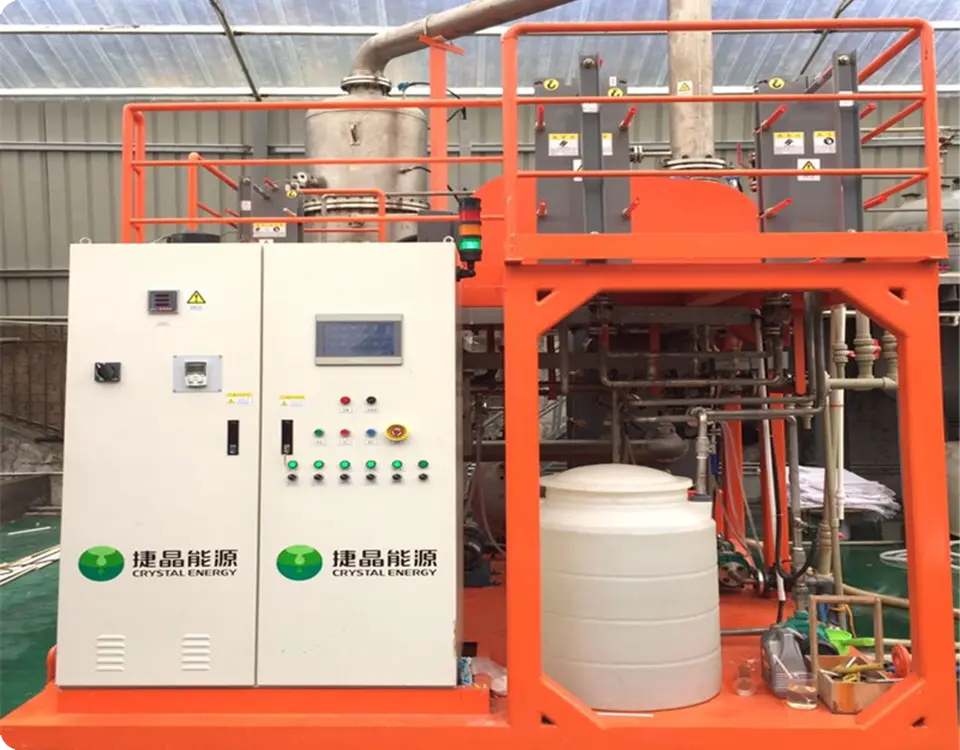
The multiple-effect evaporator (MEE) is used for the concentration and recovery of organic compound and solvents, as well as wastewater treatment to achieve the resource utilization of waste.

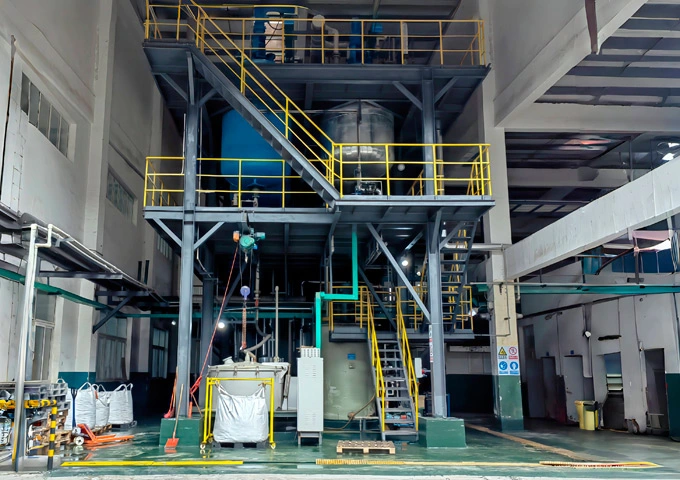
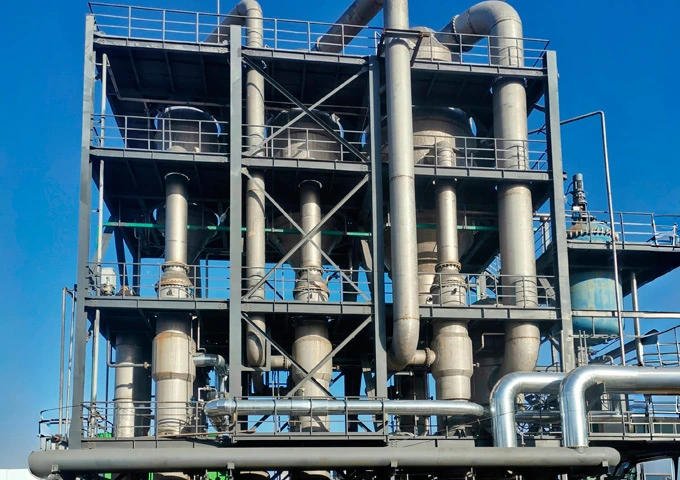
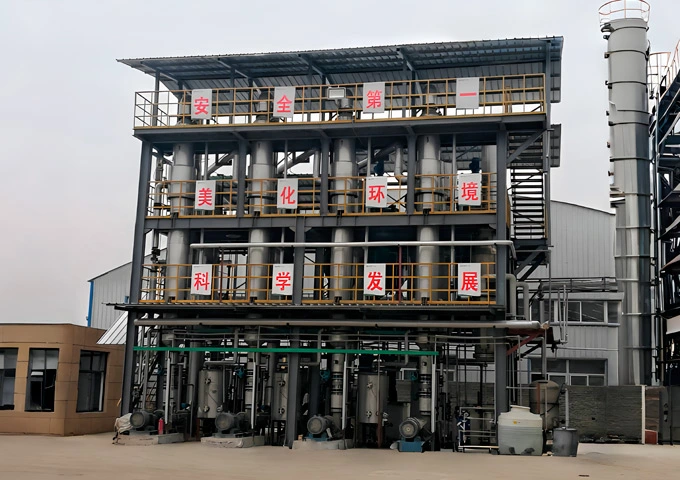
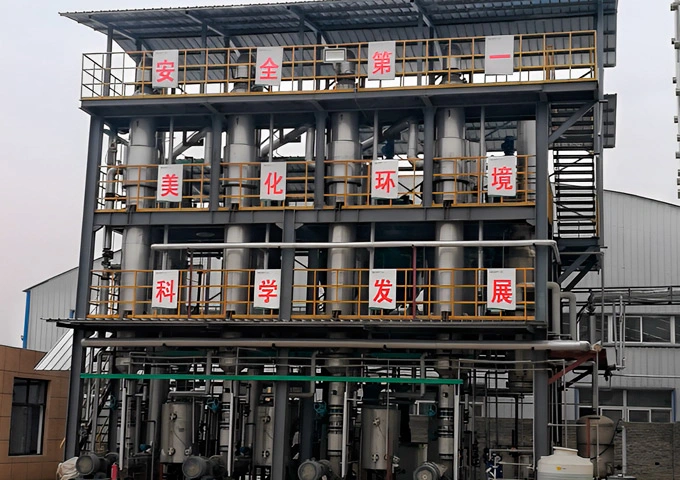
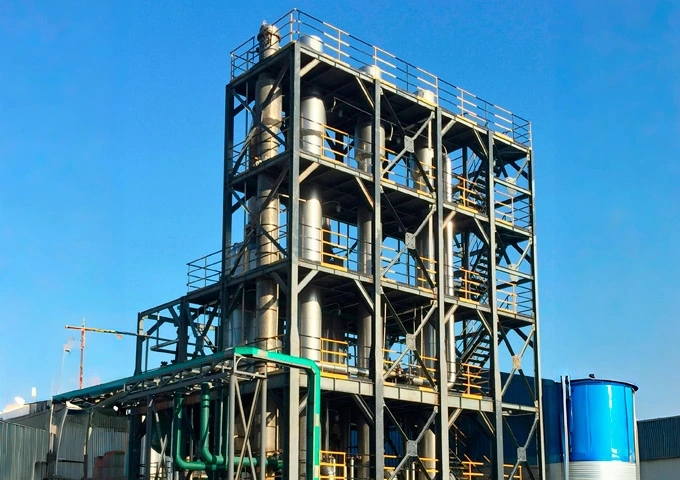
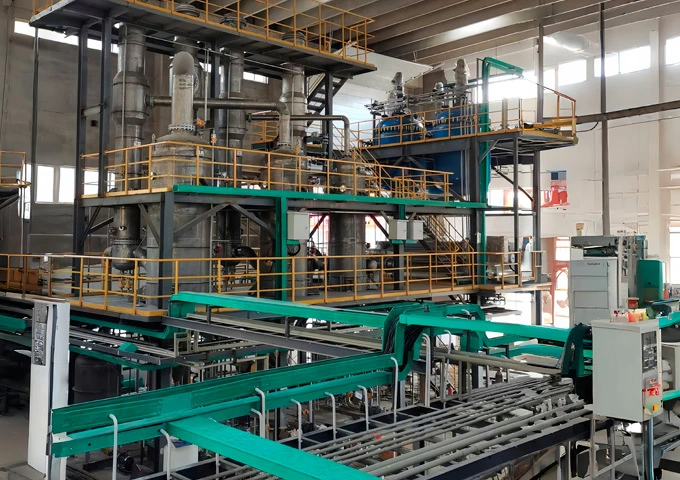
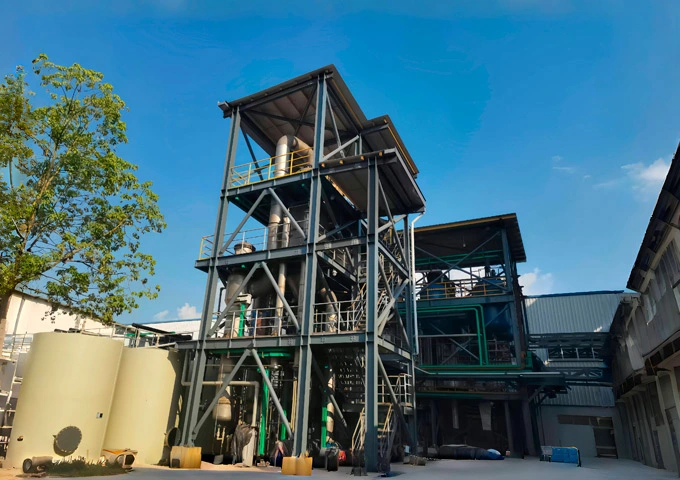
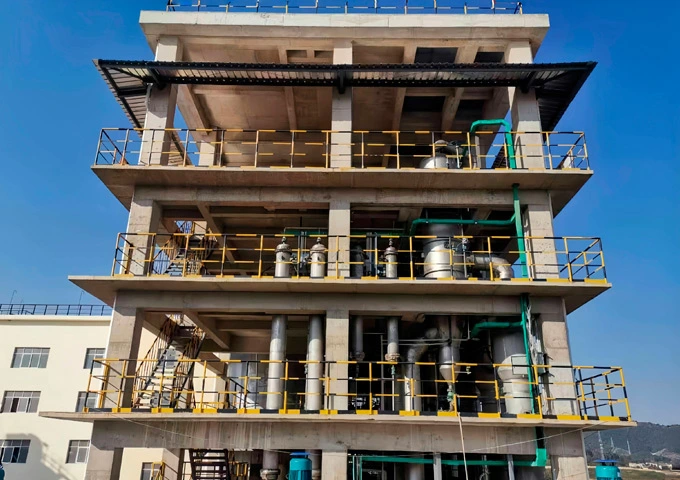
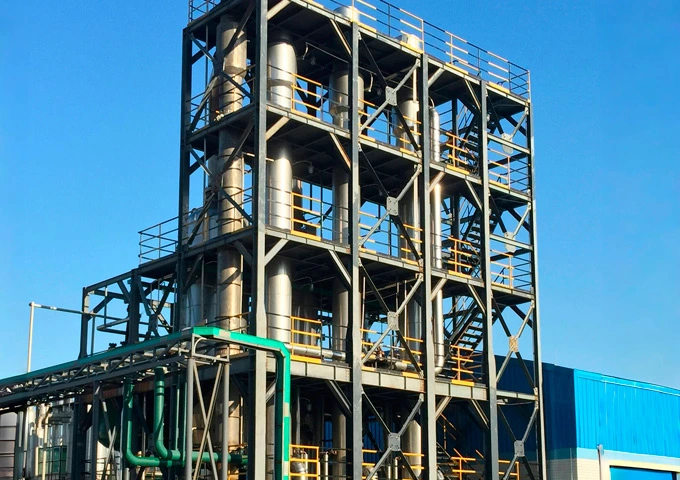
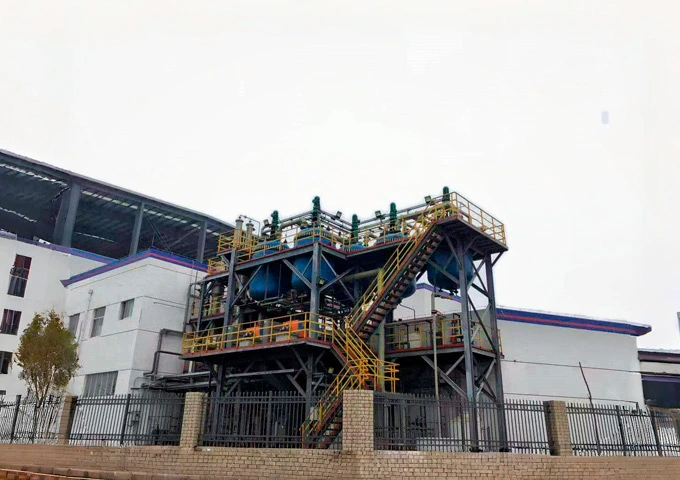
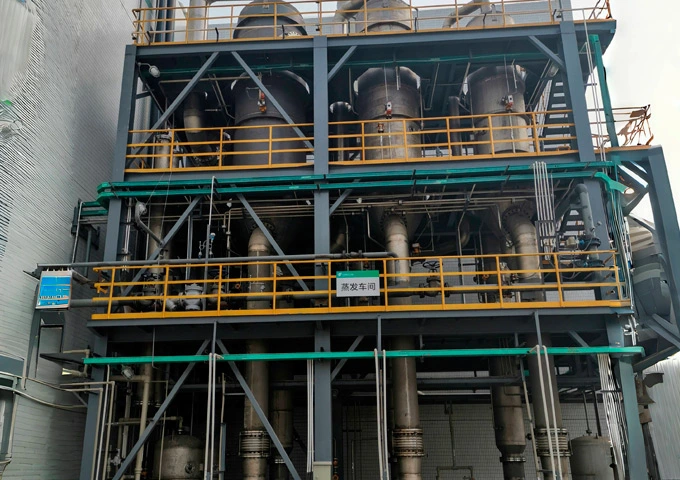
A Reliable Multiple-effect Evaporator Supplier Trusted Across Industries
A multi-effect evaporator (MEE) maximizes energy efficiency by using steam from one effect to heat the next, achieving cascade energy utilization and significant energy savings. This multi-effect evaporator system, mainly powered by steam with minimal electricity consumption, ensures high evaporation capacity, low operating costs, and excellent adaptability to different materials. The multi-effect evaporator (MEE) is ideal for treating large volumes of wastewater or high-load evaporation processes. As one of the leading multiple effect evaporator manufacturers and suppliers in China, Geeking Tech offers various types of multiple-effect evaporators to meet diverse industrial needs.
As a preferred multiple-effect evaporator manufacturer/supplier, we deliver durable and cost-effective systems tailored to your unique needs. Several things to consider in the design of an optimal multiple-effect evaporator (MEE):
Factors for consideration: In designing a multi-effect evaporation system, several key aspects must be evaluated. These include selecting the appropriate type of evaporator or heat exchanger to be used, the choice between forced or natural circulation, and the feed arrangement. Other critical considerations are boiling point rise, heat transfer coefficient, scaling, as well as pipeline size and layout.
Parameters for consideration: The most important parameter to consider in the design of a multiple-effect evaporator (MEE) is the characteristics of the feed liquid, which plays a major role in determining the efficiency. Before selecting the most suitable multiple-effect evaporator (MEE), it is necessary to analyze the feed characteristics, discharge quality requirements, and required evaporation standards.
Geeking Tech, an industrial evaporator supplier, helps companies worldwide find the best solutions to water and wastewater problems by manufacturing and designing multiple-effect evaporators (MEEs) of single-effect, multiple-effect, triple-effect, and even more effects. Choosing the right multiple-effect evaporator manufacturer and supplier is vital for industries seeking efficiency, reliability, and cost savings. Leading multiple-effect evaporator manufacturers and suppliers not only provide customized solutions but also guide clients in selecting suitable multiple-effect evaporators (MEEs).

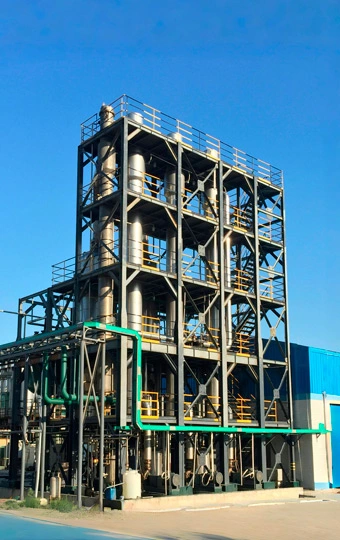
Here are some key advantages of multiple-effect evaporator systems:
High Energy-Saving Efficiency: The multi-effect evaporator (MEE) reuses steam across multiple stages, drastically reducing overall energy consumption and improving production sustainability.
Low Operating Costs: By efficiently utilizing thermal energy, the multi-effect evaporator (MEE) helps lower long-term operational expenses, making it a preferred choice.
Wide Adaptability: Different types of multiple-effect evaporators can treat a broad range of materials, including evaporation and concentration of thermosensitive materials.
Flexible Operation: Designed for versatility, multi-effect evaporators operate effectively across various load ranges, from small-scale plants to large continuous production lines.
Customizable Design: Leading multiple-effect evaporator manufacturers and suppliers offer flexible system designs tailored to specific process needs.
Superior Energy Utilization: The multi-effect evaporator (MEE) excels in energy utilization, particularly in regions with lower steam costs, highlighting its strong advantages in sustainable production.
Technological Innovation: Advanced multi-effect evaporator manufacturers and suppliers now integrate full automation, continuous feeding, and discharging systems, improving production efficiency and ease of control.
A multi-effect evaporation system is composed of multiple single-effect evaporators through traditional energy-saving evaporation technologies. That is, the secondary steam evaporated from the previous evaporator is introduced into the next evaporator as heating steam and condenses into distilled water in the next evaporator, and so on. The effectiveness depends on careful consideration of the nature of the materials, equipment investment, and operating costs. The right choice among the types of multiple-effect evaporator (MEE) can enhance operational efficiency and ensure optimal performance.
In modern industrial processes, especially those involving large-scale liquid concentration, wastewater treatment, or solvent recovery, the role of a multi-effect evaporator (MEE) system is increasingly evident. By significantly improving energy efficiency, lowering operational costs, and reducing environmental impact, the multi-effect evaporator (MEE) has become a preferred solution across numerous industries. Leading multiple-effect evaporator manufacturers and suppliers now provide customized designs and various types of multiple-effect evaporators to meet different process requirements, helping industries achieve sustainable and cost-effective production.
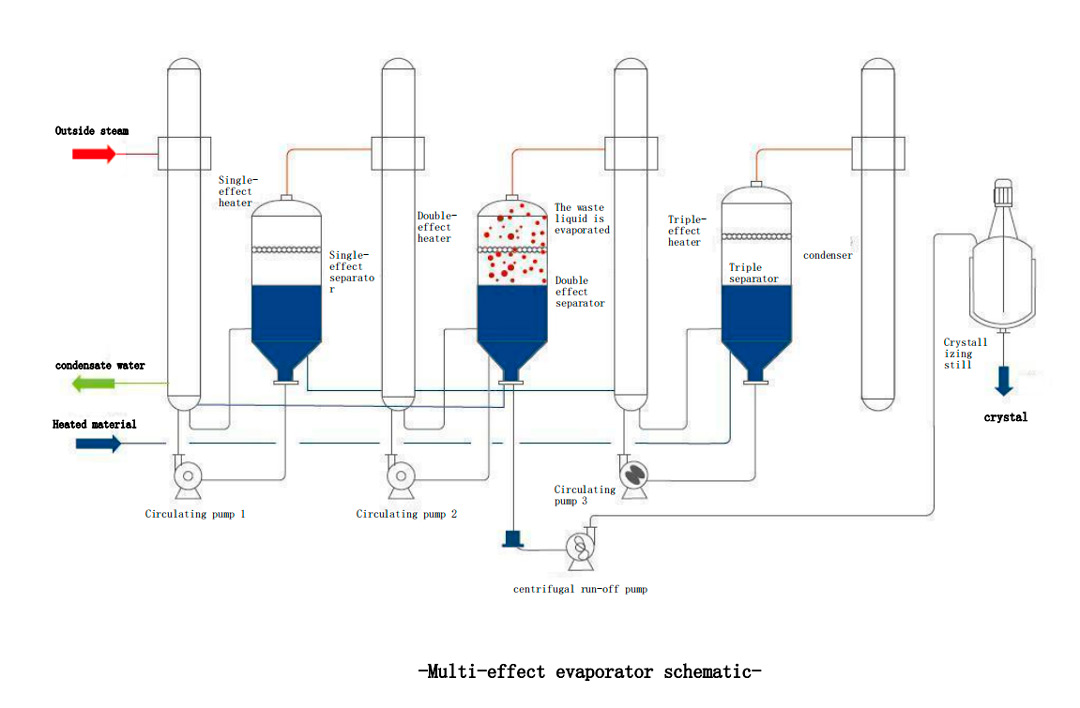
Multi-effect evaporator (MEE) is a widely used energy-saving evaporation and concentration equipment, which plays a key role in many industries due to its high efficiency and versatility. The most common evaporator applications of multiple effect evaporator include evaporation and concentration of chemical materials, food and beverage, evaporation and crystallization of high-salinity wastewater in the field of environmental protection, and seawater desalination.
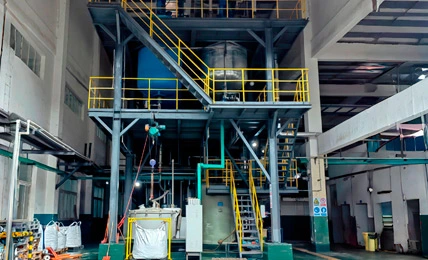
The multiple-effect evaporator (MEE) is used for the concentration and recovery of organic compound and solvents, as well as wastewater treatment to achieve the resource utilization of waste.
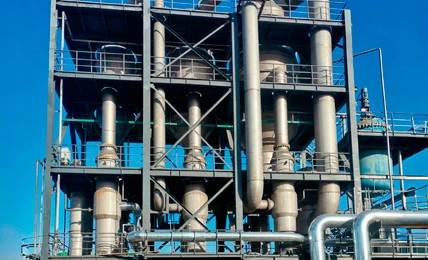
The multiple-effect evaporator (MEE) is used for concentrating fruit juice, milk, syrup, etc., to improve the concentration and quality of products.
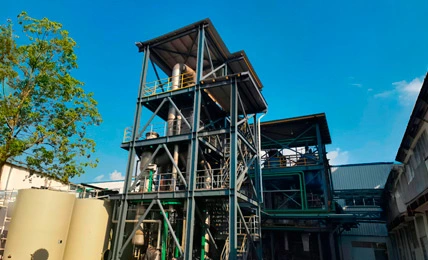
The multiple-effect evaporator (MEE) is used for treating wastewater and sewage to achieve zero emissions and the goal of energy conservation and consumption reduction.
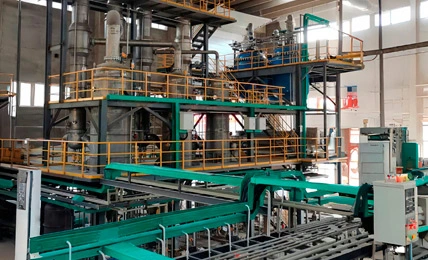
The multiple-effect evaporator (MEE) is used for extraction and concentration of pharmaceutical ingredients to improve purity and yield of drugs.
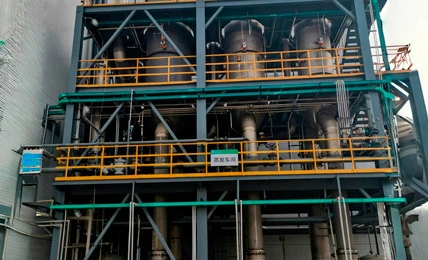
The multiple-effect evaporator (MEE) is used for the treatment and heat recovery of high concentrated saline water to improve efficiency of solar and seawater energy utilization.
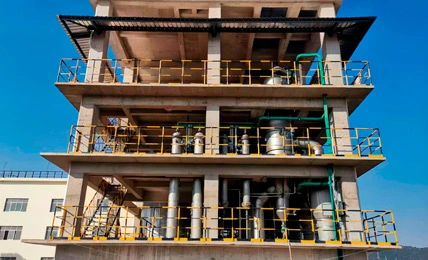
The multiple-effect evaporator (MEE) is used for purification, concentration, and battery recycling of lithium battery materials
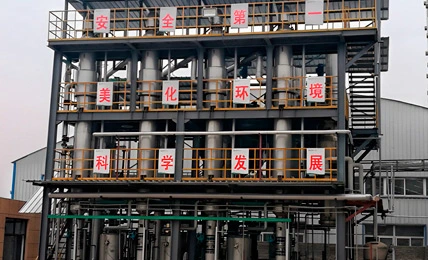
The multiple-effect evaporator (MEE) can provide freshwater resources for ships, offshore drilling platforms, and areas with sufficient energy supply
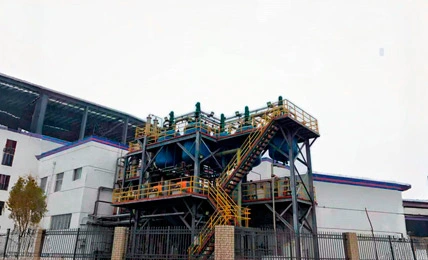
The multiple-effect evaporator (MEE) is used for concentrating black liquor, recovering chemicals, and reducing wastewater discharge.